Types of African Bazin Fabric and Quality Levels: What Every Buyer Should Know

If you’ve ever admired the rich shine, bold colors, and elegant structure of African outfits — especially West African styles — chances are you’ve seen African Bazin fabric without realizing it.
But here’s where many buyers get confused.
Is all Bazin the same?
Why do some Bazin outfits look luxurious while others fade quickly?
And most importantly — is African Bazin fabric actually wearable in everyday life?
If you’re considering buying African clothing but feel unsure about quality, comfort, or value, this guide is for you. By the end of this article, you’ll know exactly what types of Bazin fabric exist, how quality levels differ, and how to confidently choose the right one — whether for daily wear or special occasions.
What Is African Bazin Fabric?
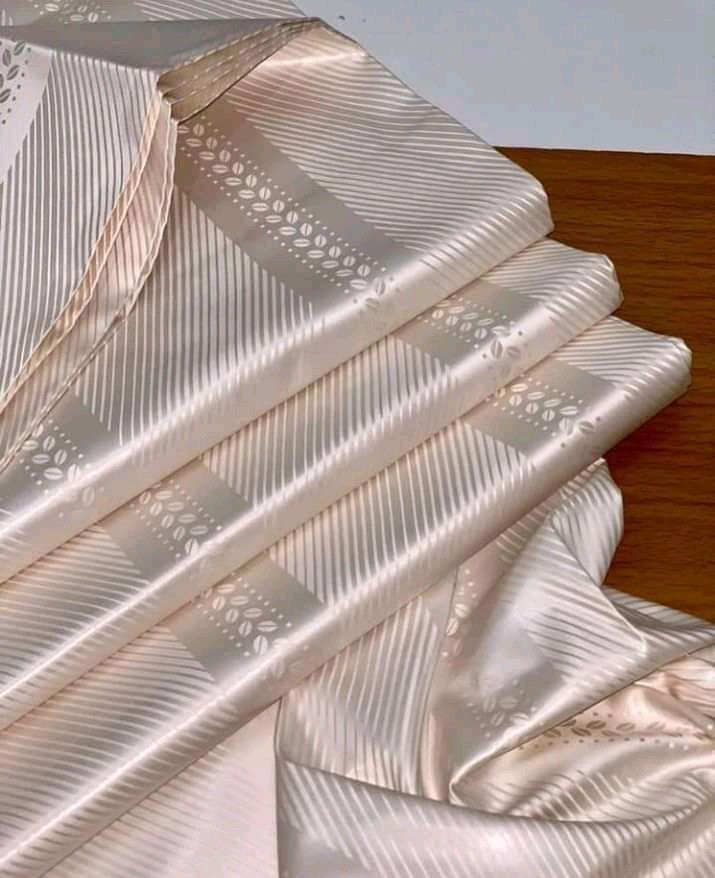
African Bazin fabric (often called Bazin Riche) is a cotton damask fabric known for its smooth texture, subtle patterns, and signature glossy finish.
Although originally inspired by European damask, Bazin has been fully reinterpreted in West Africa, where it is:
- Dyed locally using traditional methods
- Tailored into modern and traditional silhouettes
- Worn by both men and women across generations
Today, Bazin fabric is not just ceremonial — it’s fashion-forward, versatile, and deeply rooted in everyday culture.
Why Bazin Quality Levels Matter
Not all African Bazin fabric is created equal.
Two outfits may look similar online but feel completely different in real life. The difference lies in:
- Cotton weight
- Dye absorption
- Finish and shine
- Durability after washing
Understanding quality levels helps you:
- Avoid stiff, uncomfortable fabric
- Choose pieces that last
- Invest wisely instead of replacing outfits often
Types of African Bazin Fabric by Quality Level
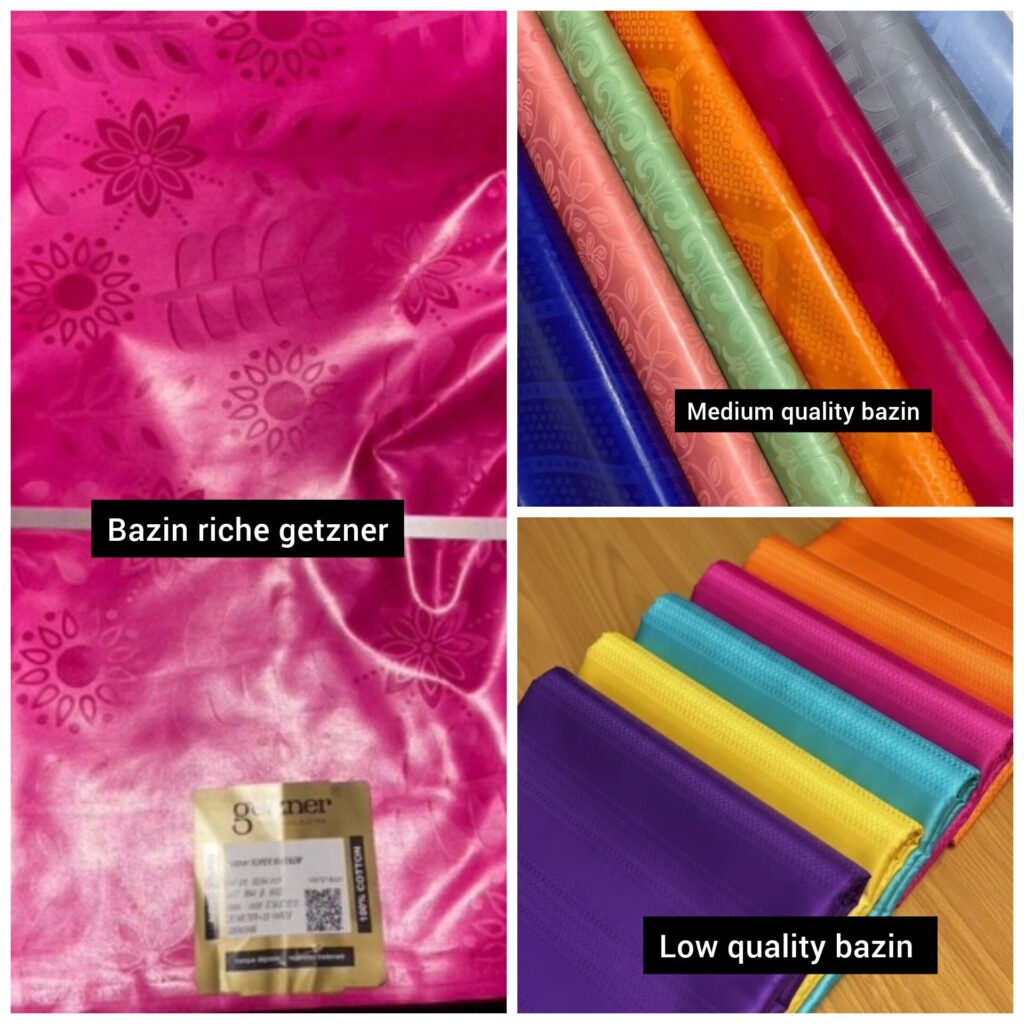
1. Low-Quality Bazin (Entry-Level
This is often the first Bazin fabric beginners encounter.
Characteristics:
- Thinner cotton base
- Light shine that fades quickly
- Colors may bleed or dull after washing
- Less breathable
Best for:
- Short-term wear
- Custome or one-time events
- Buyers testing African clothing for the first time
What to know:
While affordable, this level is not ideal for everyday wear and doesn’t represent the true beauty of African Bazin fabric.
2. Mid-Quality Bazin (Everyday Wearable Bazin)
This is where Bazin fabric becomes genuinely wearable.
Characteristics:
- Medium-weight cotton
- Balanced shine (not overly glossy)
- Holds color well
- Comfortable for extended wear
Best for:
- Casual outings
- Work-friendly African outfits
This quality level is popular among people who wear African clothing regularly and want style without stiffness.
3. High-Quality Bazin (Bazin Riche / Premium Bazin)
This is the gold standard of African Bazin fabric.
Characteristics:
- Heavy, high-grade cotton damask
- Clear motifs visible on both right and wrong sides
- Deep, elegant shine
- Rich color saturation
- Becomes softer with wear
- Exceptional durability
Best for:
- Statement outfits
- Celebrations, weddings, Eid, Tabaski
- Fashion-forward designs that need structure
Important:
High-quality Bazin is often what you see in luxury African fashion, but when tailored correctly, it is absolutely wearable — not stiff or uncomfortable.
Is African Bazin Fabric Wearable Every Day?
This is one of the most common questions — especially from non-African buyers encountering Bazin for the first time.
The short answer is: Yes, Bazin fabric can be worn every day — but only when it is intentionally designed for casual wear.
Traditionally, Bazin is associated with structured, statement outfits made for special occasions. That reputation exists for a reason. Most Bazin clothing on the market is not designed for daily use.
However, modern African fashion has shown that Bazin becomes surprisingly wearable when it is:
- Tailored into simple, minimalist silhouettes
- Cut with relaxed proportions
- Styled without heavy embellishment
- Designed for movement and comfort, not ceremony
In these cases, African Bazin fabric appears as:
- Clean, simple dresses
- Easy matching sets
- Lightweight shirts and skirts
- Modest, everyday-friendly outfits
That said, this approach is still relatively rare. The key isn’t avoiding Bazin altogether — it’s understanding that everyday wearability depends on both the quality of the fabric and the intention behind the design.
How to Identify Good African Bazin Fabric Before Buying
Whether shopping online or in person, look for these signs:
Texture & Weight
- Should feel smooth, not plastic-like
- Medium to heavy weight without stiffness
Color depth
- Rich, even dye
- No patchiness or uneven tones
Shine
- Elegant sheen, not reflective gloss
- Shine should feel woven, not coated
Breathability
- Quality Bazin is cotton — it should breathe
African Bazin Fabric vs. Other African Fabrics
To help beginners understand better, here’s how Bazin compares:
- Bazin fabric: Structured, polished, elegant
- Ankara: Printed cotton, casual, playful
- Kente: Handwoven, symbolic, ceremonial
- Aso Oke: Thick, textured, traditional
Each fabric has a place — but Bazin fabric uniquely bridges tradition and modern fashion.
Why African Bazin Fabric Is Still Relevant Today
African Bazin fabric has evolved with the times.
Designers and everyday wearers now favor:
- Clean tailoring
- Versatile silhouettes
- Neutral styling
This makes bazin:
- Suitable for modern wardrobes
- Adaptable across cultures
- Easy to style globally
It’s no longer about dressing up — it’s about dressing well.
Conclusion: Choosing the Right African Bazin Fabric
Bazin fabric isn’t just about shine or tradition — it’s about quality, comfort, and confidence.
When you understand:
- The different quality levels
- How tailoring affects wearability
- What to look for Before buying
You stop guessing — and start choosing intentionally.
Whether you’re new to African clothing or exploring higher-quality pieces, African Bazin fabric offers timeless style with modern relevance.
You May Also Like
What Is African Fashion? A Beginner’s Guide to Styles and Meaning
What Clothes Do They Wear in Africa?
Recommended Reading
African textile history from museum or cultural institutions