What to Wear to an African Wedding as a Guest

Being invited to an African wedding is exciting—and a little overwhelming, especially if you’ve never attended one before.
You may be wondering:
- Do I need to wear traditional clothing?
- Is modern fashion acceptable?
- What if I accidentally dress too casually or disrespectfully?
African weddings are known for their visual richness, cultural depth, and sense of celebration. Clothing plays a big role, not as a fashion competition, but as a way of showing respect and shared joy. We walk you through what to wear to an African wedding as a guest, helping you feel confident and appropriately dressed, even if you’re completely new to African fashion.
Why Guest Attire Matters at African Weddings
African weddings are often large, joyful gatherings that bring together family, community, and tradition. Guests are expected to dress with intention because clothing is seen as part of the celebration itself.
Across many cultures, wedding attire reflects:
- Respect for the couple and their families
- Participation in cultural traditions
- The importance of the occasion
This doesn’t mean there is only one “correct” outfit — but it does mean that effort and thoughtfulness matter.
Is Traditional Clothing Required for African Weddings?
Not always — but it is very common.
Some African weddings expect guests to wear traditional attire, especially when the ceremony is culturally focused. Others allow a mix of traditional and modern styles. The deciding factors usually include:
- The couple’s cultural background
- The type of ceremony (traditional, religious, modern, or blended)
- Instructions on the invitation
you’re unsure, asking the couple or checking the invitation is always appropriate. It’s far better to ask in advance than to arrive underdressed.
What to Wear to a West African Wedding (Gambia, Senegal Nigeria, Ghana)
West African weddings are known for their bold colors, luxurious fabrics, and elegant tailoring.
For Women
Guests often wear:
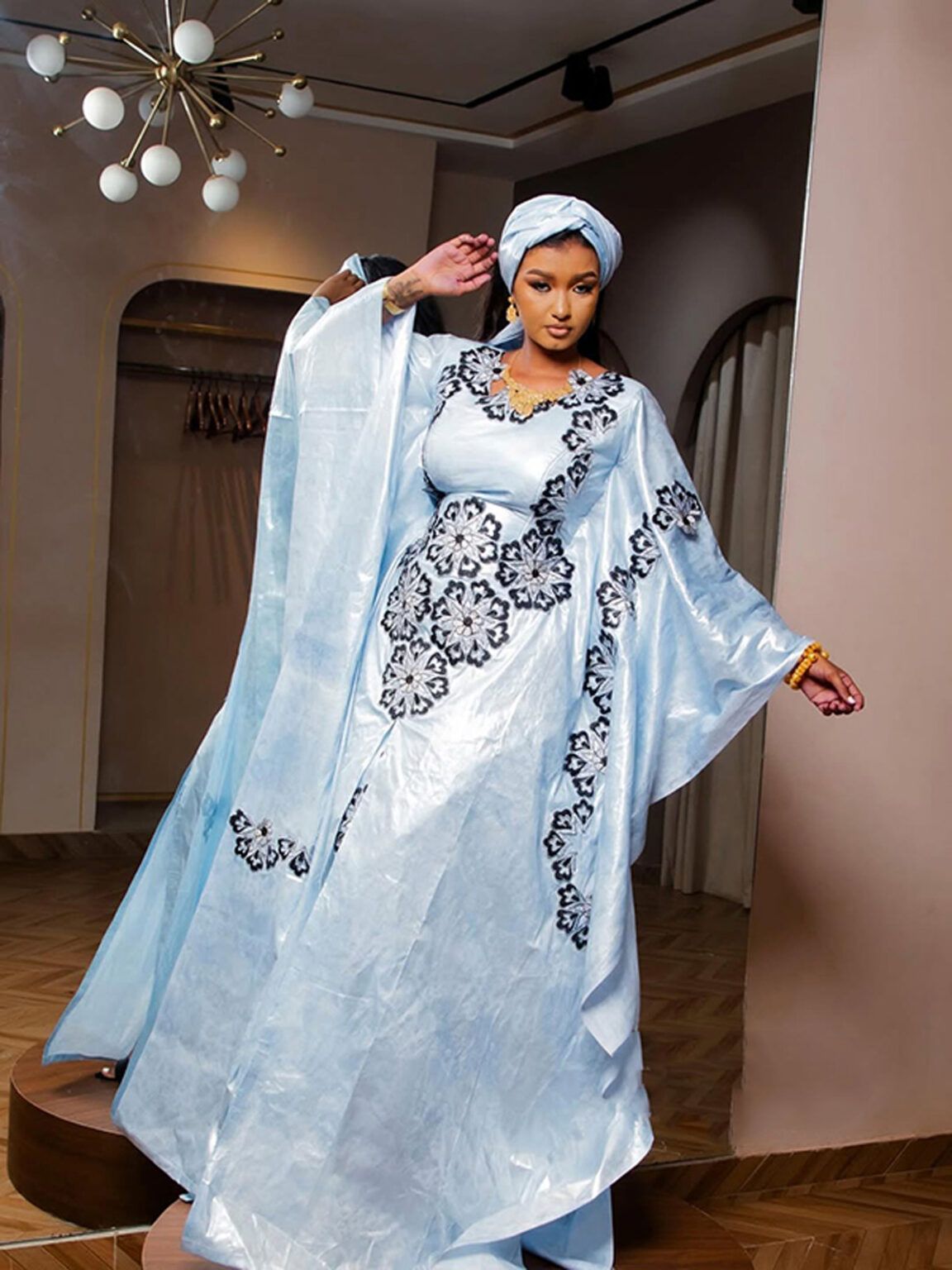
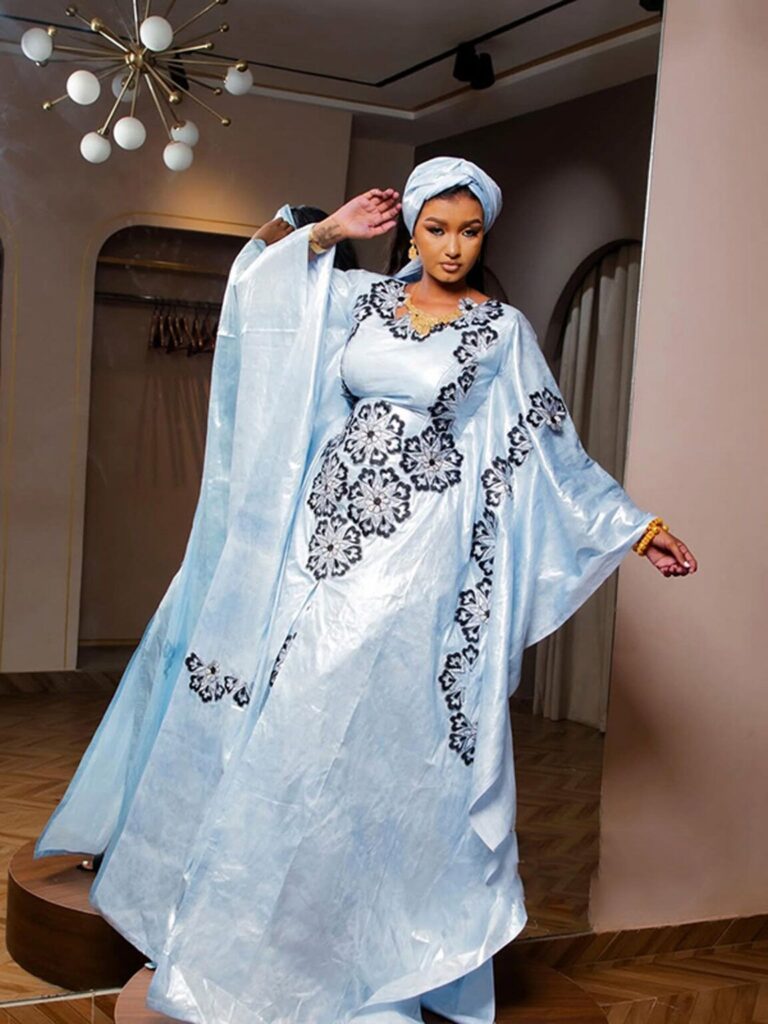
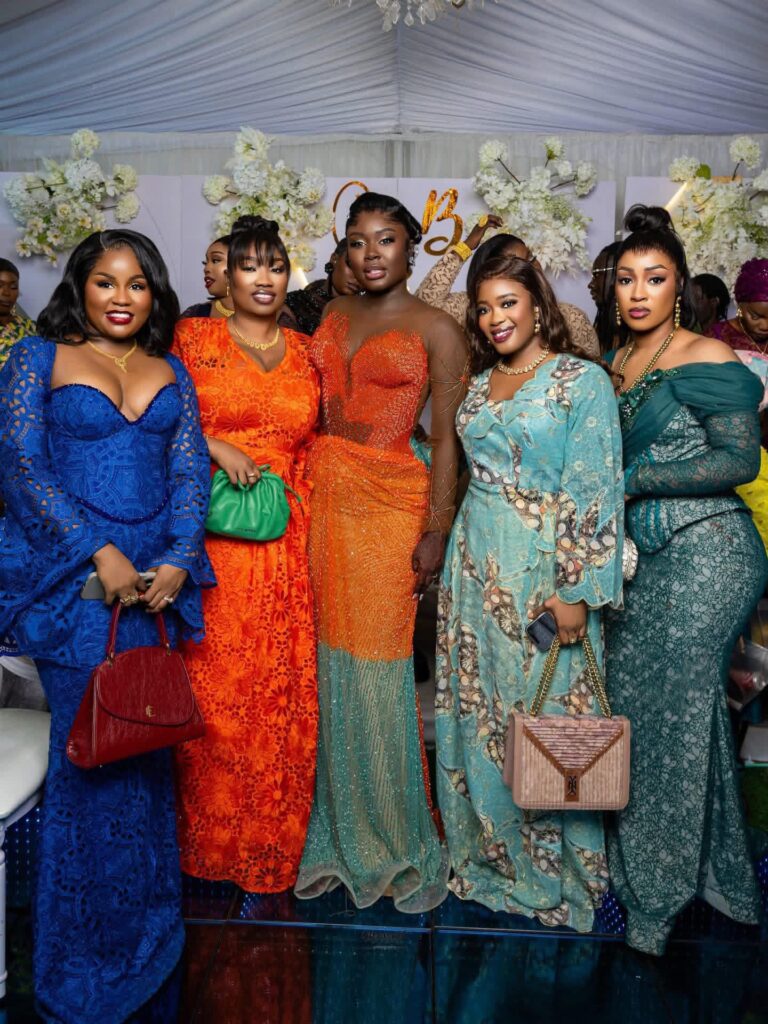
- Bazin dresses, especially for formal celebrations
- Lace or embroidered gowns
- Ankara dresses
- Coordinated headwraps such as gele
- Statement jewelry and accessories
For guests who want a balance between tradition and modern style, tailored Bazin dresses with clean silhouettes offer a refined alternative to heavily embellished gowns. These styles work particularly well for weddings that blend cultural customs with contemporary aesthetics, such as the modern Bazin wedding guest dresses for women available in our shop.
For Men
Men commonly wear:
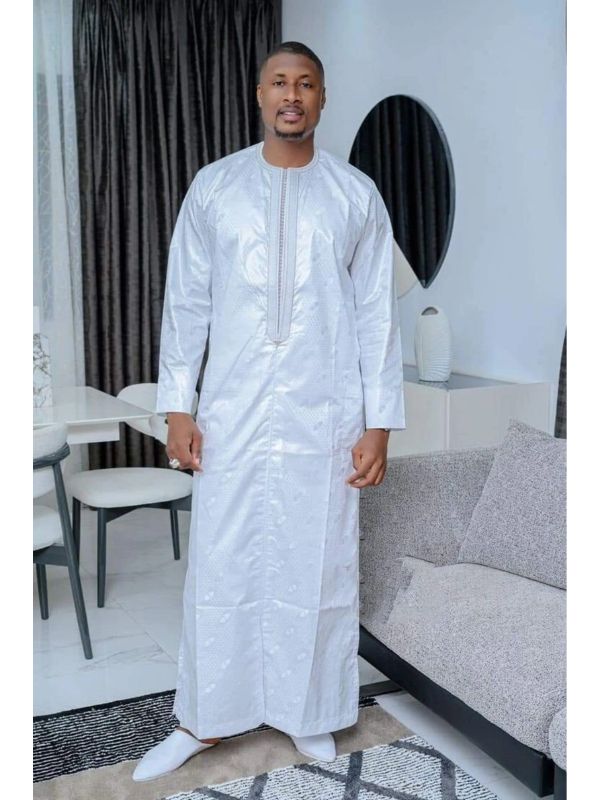
- Flowing boubou or agbada
- Embroidered tops with tailored trousers
- Traditional caps or understated accessories
For men attending a West African wedding, traditional attire such as embroidered boubous, kaftans, or tailored two-piece sets is widely accepted and culturally appropriate. Browsing a curated men’s African clothing collection can help first-time guests understand the expected level of formality and style.
What to Wear to an East African Wedding (Kenya, Tanzania, Ethiopia)
East African wedding fashion often leans toward graceful silhouettes and cultural detailing.
Common guest attire includes:
- Kitenge outfits
- Kikoi or Dashiki-inspired styles
- Long dresses with symbolic patterns
In Ethiopian weddings, women frequently wear Habesha Kemis, a white traditional dress with woven accents, while men may wear coordinated traditional garments or formal suits with cultural elements.
What to Wear to a Southern African Wedding (South Africa, Zimbabwe, Zambia)
Southern African weddings highlight heritage and identity through fabric and design.
You may see:
- Shweshwe dresses
- Xhosa- or Zulu-inspired garments
- Beaded accesso
- Bold geometric patterns
These outfits are often colorful, structured, and rich in cultural meaning.
Can You Wear Modern or Western Clothing to an African Wedding?
Yes — as long as it’s done respectfully.
Many weddings today combine traditional customs with contemporary style. Guests may wear:
- Elegant gowns made from African fabrics
- Simple, well-tailored dresses with African textile accents
- Formal Western outfits styled with African jewelry, shoes, or headwraps
Bazin dresses designed with clean lines and minimal embellishment are increasingly worn by guests who want a refined look without being overly traditional.
The key is to look intentional and well-dressed, not casual.
Understanding Aso Ebi: When Matching Fabric Is Expected
Some weddings, particularly in West Africa, include an Aso Ebi dress code.
Aso Ebi is a selected fabric that guests purchase and tailor as a sign of unity and support for the couple. If this applies:
- Make sure you buy the correct fabric
- Follow suggested tailoring guidelines
- Avoid altering it into something unrecognizable
Wearing Aso Ebi shows participation and respect — ignoring it may be noticed.
What to Avoid Wearing as a Guest
Unless clearly stated otherwise, it’s best to avoid:
- Very short skirts or dresses
- Revealing or overly casual outfits
- Shorts or informal wear
- Anything that appears unfinished or careless
African weddings typically favor modesty, elegance, and presence. When in doubt, slightly overdressed is better than underdressed.
How to Choose the Right Outfit If You’re Unsure
Ask yourself:
- What region or culture is being celebrated?
- Has the couple mentioned a dress code?
- Has the couple mentioned a dress code?
- Is the event traditional, modern, or a mix?
If you’re still unsure, asking the couple or another guest is always acceptable and appreciated.
Conclusion
Knowing what to wear to an African wedding as a guest is less about strict rules and more about understanding context, culture, and respect.
Whether you choose a traditional outfit, a modern dress with African influence, or a thoughtfully tailored Bazin dress, the goal is the same: to honor the occasion and celebrate alongside the couple.
When you dress with intention, you don’t just attend the wedding — you become part of the experience.
You May Also Like
- What Is African Fashion? A Beginner’s Guide
- African Bazin Fabric: Types, Quality Levels & Wearability
- What Clothes Do They Wear in Africa?
Learn More