African Fashion Explained: History, Fabrics, and Why It Matters Today

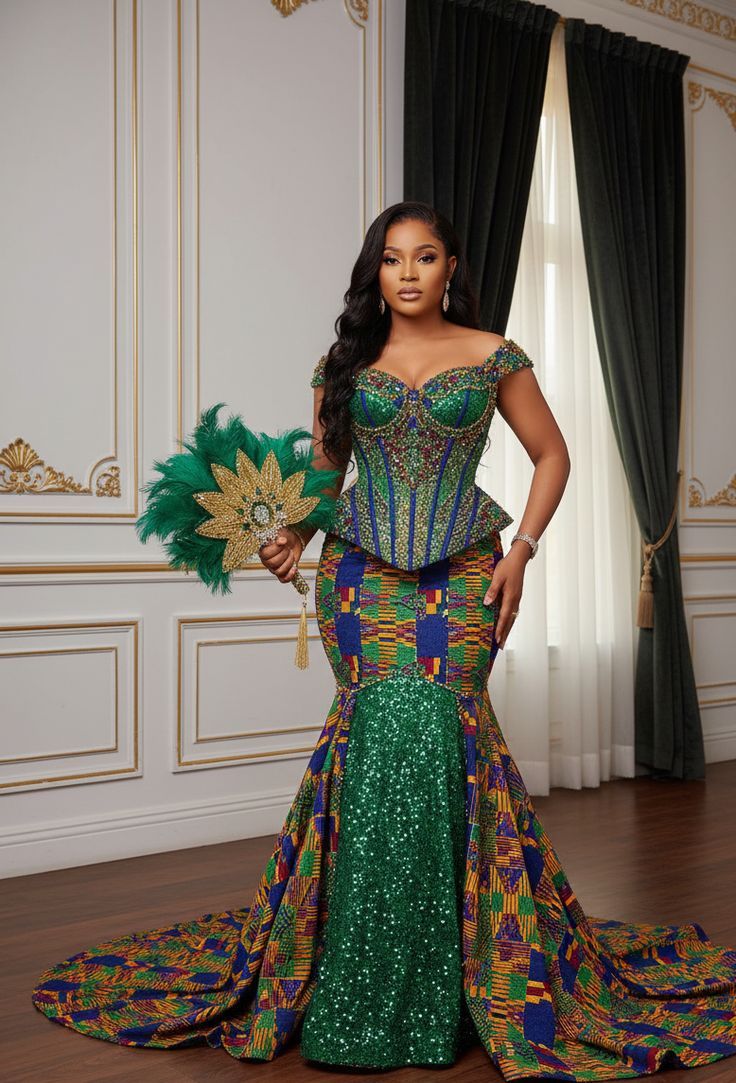
When you hear African fashion, what comes to mind?
Bold prints? Bright colors? Traditional clothing worn only at weddings or cultural festivals?
If that’s your picture, you’re not alone—and it’s also incomplete.
Styles from Africa is not a single style, trend, or costume. It is a living, evolving form of expression shaped by history, identity, creativity, and modern life. Today, African fashion walks confidently on global runways, in everyday streetwear, and in contemporary wardrobes across the world.
If you’re new to the topic or simply curious, this guide will help you truly understand what African fashion is, where it comes from, and why it matters—without assumptions, stereotypes, or fluff.
What Is African Fashion?
African fashion refers to the diverse clothing styles, textiles, design techniques, and aesthetic traditions that originate from the African continent—both traditional and modern.
It includes:
- Indigenous garments worn for centuries
- Handwoven and dyed fabrics unique to specific regions
- Contemporary designs created by modern African designers
- Everyday wear inspired by African culture, not just ceremonial clothing
Most importantly, African style is dynamic, not frozen in the past. It reflects how Africans live today while honoring where they come from.
African Fashion Is Not One Thing
One of the biggest misconceptions beginners have is assuming Fashion from Africa is a single look.
Africa has 54 countries, thousands of ethnic groups, and countless clothing traditions. Each region has its own fabrics, silhouettes, meanings, and design rules.
For example:
- West African style looks very different from East African fashion
- North African clothing has distinct influences from Arab and Mediterranean cultures
- Southern African styles use different materials and construction techniques
So when we say African fashion, we’re really talking about a collection of many fashion cultures, not one uniform style.
The Historical Roots of African Style
Long before modern fashion houses existed, Africans were already:
- Weaving textiles
- Dyeing fabrics using plants and minerals
- Designing clothing based on climate, status, spirituality, and identity
Clothing wasn’t just about covering the body. It communicated:
- Age and marital status
- Social rank
- Community belonging
- Religious or spiritual meaning
Colonialism disrupted many of these traditions, but it did not erase them. Instead, African styles adapted—blending heritage with new influences.
That adaptability is one reason fashion from Africa remains powerful today.
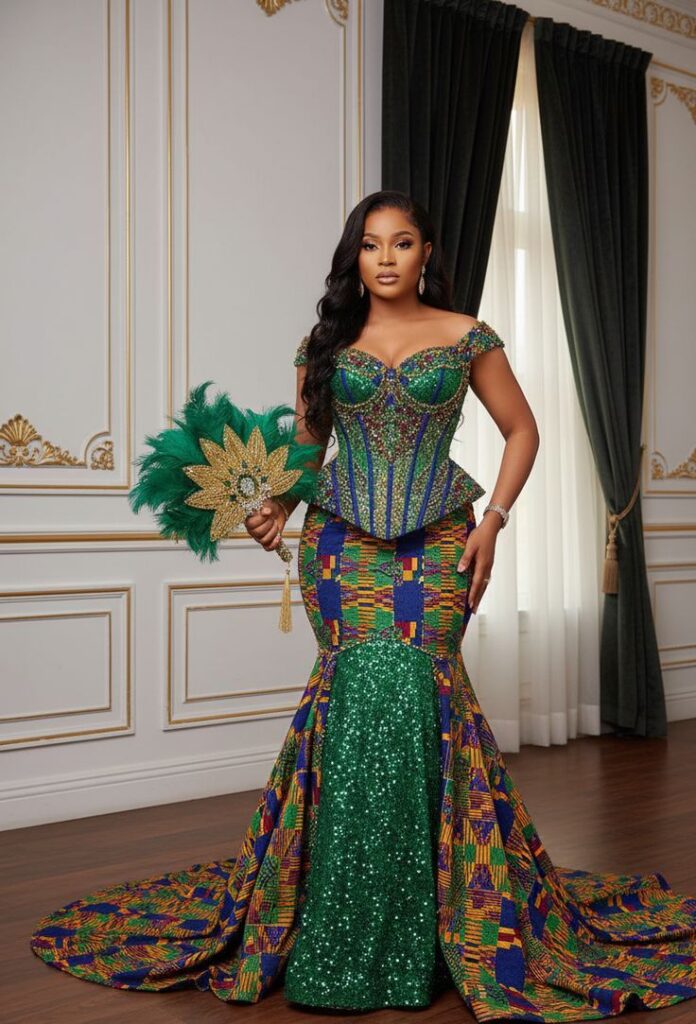
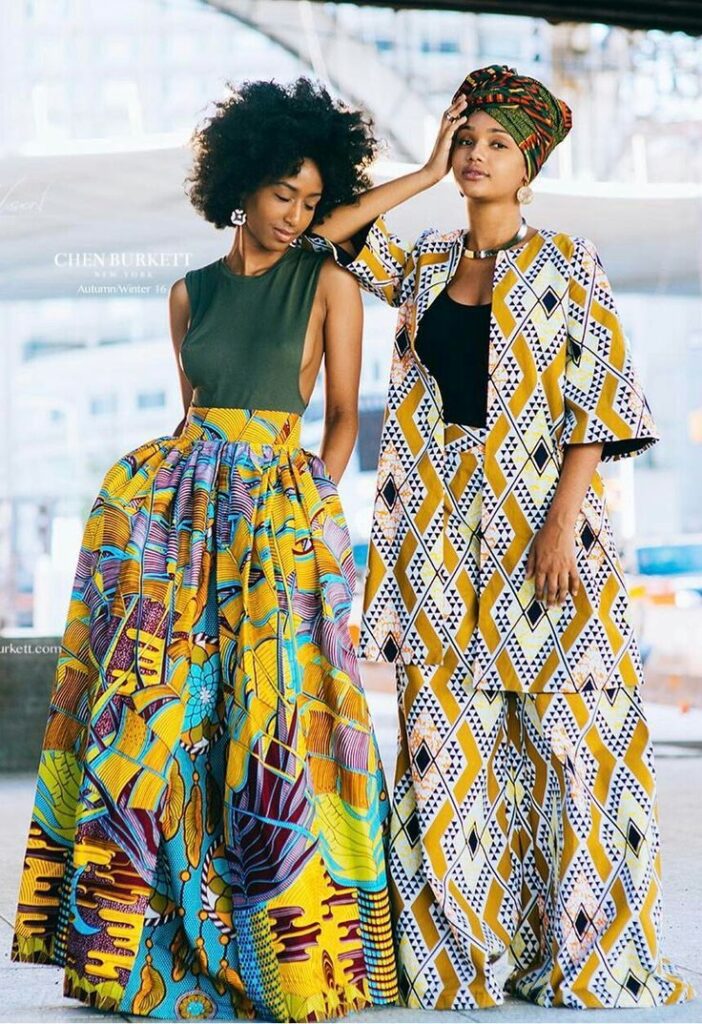
Photos: Pinterest
Traditional African Fabrics You’ll Encounter
Understanding styles from Africa means understanding its fabrics. These are not just materials—they are cultural languages.
Ankara (Wax print)
Often colorful and patterned, Ankara fabrics are widely used across Africa today. While industrially produced, they’ve been culturally adopted and reinterpreted in deeply African ways.
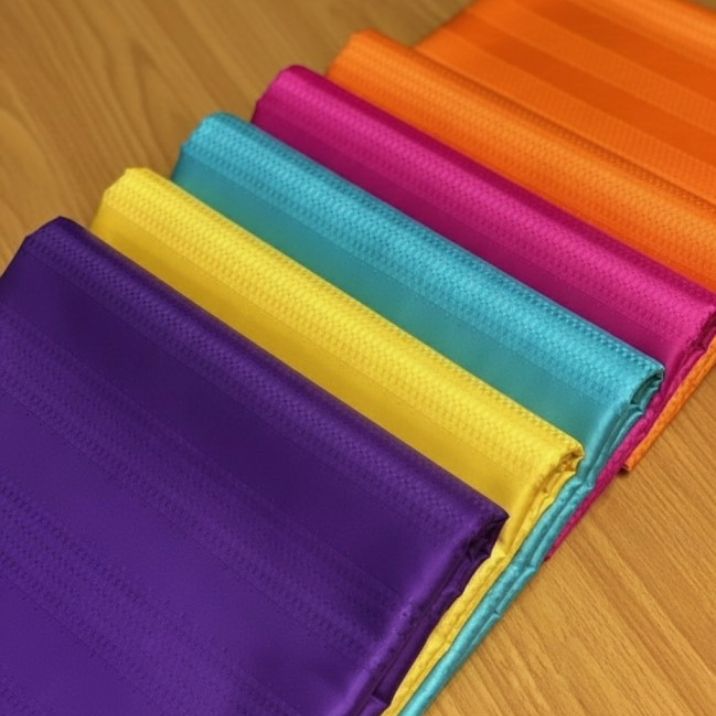
Bazin
A richly dyed cotton fabric known for its shine and structure, especially popular in West Africa for special occasions and elegant outfits.
Kente
A handwoven cloth from Ghana, traditionally worn by royalty and leaders. Each pattern carries meaning.
Aso Oke
A handwoven fabric from Nigeria, commonly used for ceremonial clothing.
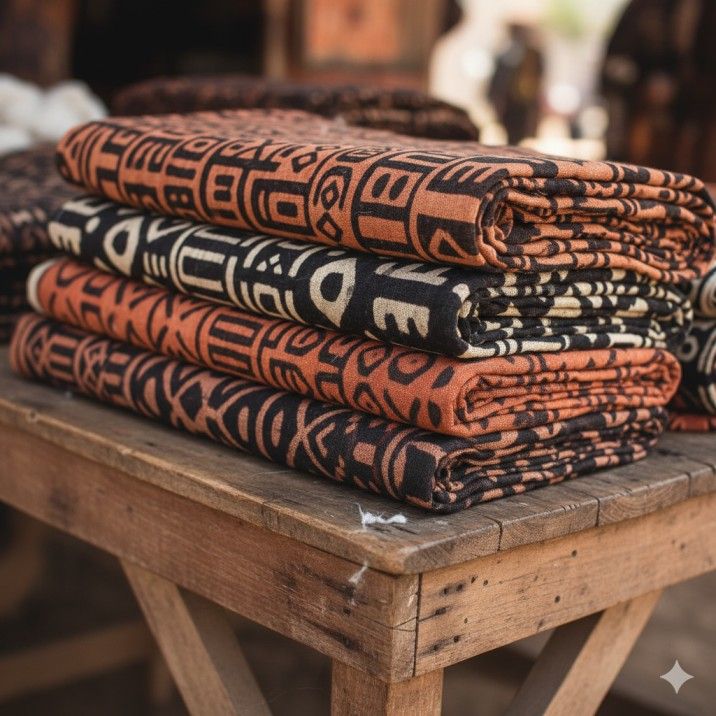
Mudcloth (Bogolanfini)
From Mali, traditionally dyed with fermented mud, known for its symbolic patterns.
These fabrics show how African fashion values craft, symbolism, and intention, not just appearance.
Traditional vs Modern
This is where many beginners get confused.
Traditional Fashion from Africa is:
- Rooted in ancestral custom
- Often worn for ceremonies, rituals, or cultural events
- Follows specific rules tied to heritage
Modern Style fashion
- Inspired by tradition but designed for contemporary life
- Worn daily, globally, and across cultures
- Combines African elements with modern tailoring, modest fashion, or streetwear
Modern African fashion answers an important question:
How do you honor your roots while living in the present?
And designers across Africa—and the diaspora—are answering it creatively.
African Fashion Today: Global, Modern, Influential
Fashion from Africa is no longer confined to local markets or cultural events.
Today, it:
- Appears on international runways
- Influences global fashion trends
sustainability and slow fashion - Is worn by people of all backgrounds
- Shapes conversations around sustainability and slow fashion
Many African designers emphasize:
- Ethical production
- Handcrafted techniques
- Local sourcing
- Cultural storytelling
This gives African style a depth and integrity that many fast-fashion trends lack.
Is African Style Only for Africans?
Short answer: No
Longer answer: Fashion from Africa is for anyone who wears it with respect and understanding
.
Wearing African-inspired clothing is not about pretending to be African. It’s about appreciating:
- The craftsmanship
- The design philosophy
- The cultural significance
Just like Japanese denim or Italian tailoring, African fashion can be appreciated globally without losing its identity.
Why Fashion Feels So Powerful
African style stands out because it doesn’t chase trends blindly.
Instead, it’s grounded in:
- Identity
- Storytelling
- Confidence
- Cultural continuity
When someone wears African clothing styles—whether traditional or modern—it often feels intentional. There’s a sense of presence. A sense of knowing who you are.
That’s not accidental. That’s design with meaning.
Common Myths About African Fashion
Let’s clear a few up:
- Myth: African designs are loud or exaggerated
Truth: It can be bold, minimalist, elegant, or subtle—just like any fashion culture. - Myth: It’s only for special occasions
Truth: Many African-inspired outfits are designed for everyday wear. - Myth: It’s outdated
Truth: African styles are one of the most innovative spaces in global fashion today.
African Fashion as a Form of Education
For beginners, learning about fashion from Africa is also a way to learn about:
- African history beyond textbooks
- Cultural diversity within the continent
- How clothing communicate
Fashion becomes a gateway to understanding people—not just aesthetics.
Conclusion: African Fashion Is Living, Not Static
So, what is African fashion?
It is:
- Traditional and modern
- Cultural and global
- Historical and forward-looking
Fashion from Africa is not something Africa used to wear.
It’s something Africa continues to create, redefine, and share with the world.
If you’re just beginning your journey into African fashion, start with curiosity—not assumptions. The more you learn, the more you’ll realize it’s not just about what people wear.
It’s about who they are.
Also read:
- Bazin Fabric Explained: Why It’s So Popular in West African Fashion
- What is African Fashion? A beginners guide to Styles, Fabrics and Meaning
You May Also Like