African Print Fabric: History, Meaning, and Modern Fashion

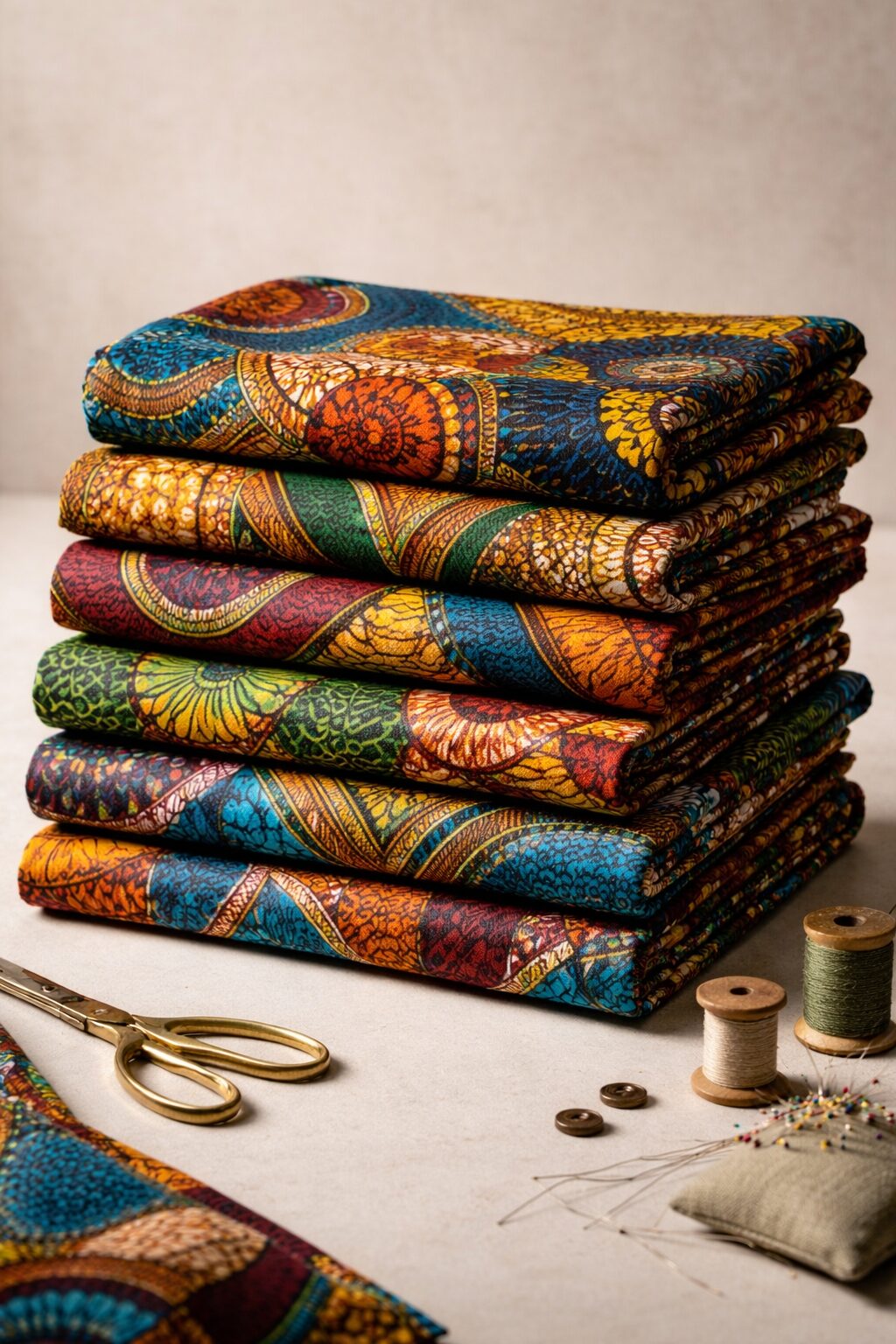
You’ve probably seen it before — bold colors, striking patterns, and fabrics that feel alive with meaning. Whether you first noticed it at a celebration, in a styled shoot, or online, it’s common to wonder how African print fabric fits within tradition and modern fashion.
This guide brings clarity by explaining its meaning, use, and cultural background in a straightforward way.
By the end, you’ll understand what African print fabric is, where it comes from, how it’s used today, and why it continues to shape global fashion.
What Is African Print Fabric?
African print, also commonly called ankara, refers to a category of patterned textiles widely worn across Africa, known for their bold motifs, symbolic designs, and vibrant colors.
Despite common assumptions, African print fabric is not a single fabric type. Instead, it is a style of textile printing, most often applied to cotton fabric, using wax-resist or roller-print techniques.
What makes African print unique is not just how it looks — but how it is used, named, interpreted, and worn across different cultures.
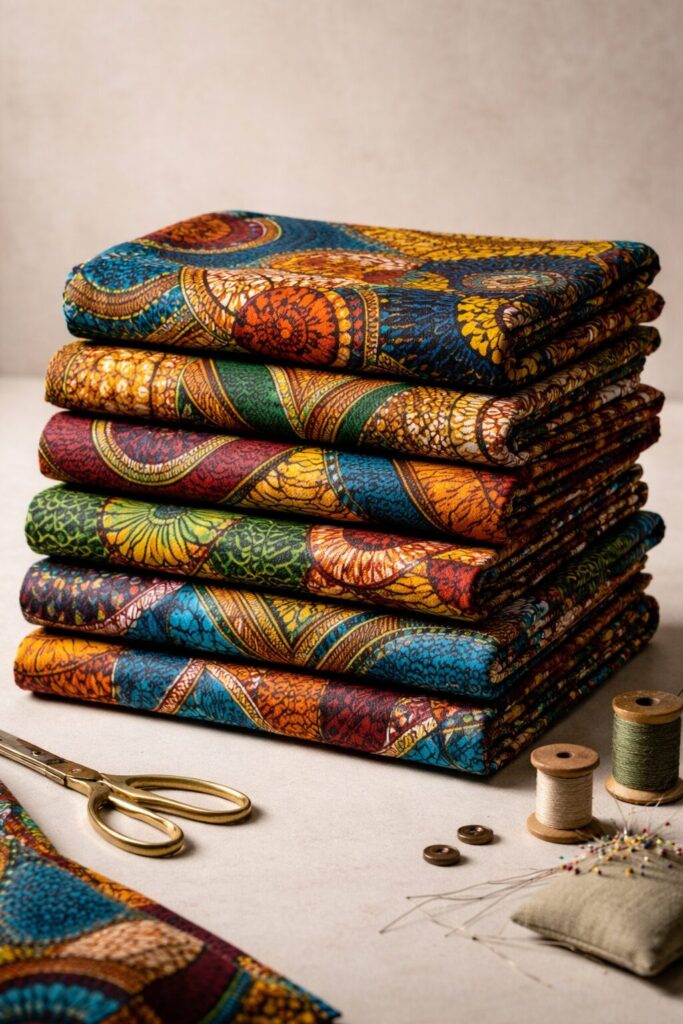
What Is African Print Fabric Made Of?
Most African prints are made from:
- Cotton (the most common)
- Occasionally cotton blends
The designs are created through:
- Wax-resist printing (traditional inspiration)
- Industrial roller printing (modern production)
The result is fabric that is:
- Colorful on both sides
- Patterned with repeating motifs
- Durable and breathable
Unlike plain textiles, African print fabric is designed to be seen, recognized, and remembered.
Is Ankara Actually African in Origin?
African print fabric did not appear fully formed. Its history includes multiple influences.
The wax-resist technique was inspired by Indonesian batik and later reproduced on an industrial scale by European manufacturers during the colonial period.
Across West and Central Africa, these fabrics were adopted and reshaped in ways that went far beyond cloth. Communities named the patterns, attached stories to the motifs, and used the designs to express identity, status, and personal messages. Certain prints became associated with milestones such as marriage, celebration, mourning, and social belonging.
Over generations, meaning replaced origin.
Today, African print fabric is culturally African not because of where it was first manufactured but because of how it has been lived in, understood, and passed down. Its identity comes from use, interpretation, and the roles it plays in everyday and ceremonial life.
Why Are African Print Fabrics So Symbolic?
African print fabric is not random decoration.
Many prints:
- Represent proverbs
- Reflect social status or personal values
- Communicate messages without words
In some cultures, wearing a particular print can signal:
- Celebration or mourning
- Marriage or womanhood
- Wealth, power, or resistance
This is why African print often feels expressive — it tells stories visually.
How African Print Is Used Across Africa
Print fabric is worn differently across regions, cultures, and occasions.
Everyday Wear
In many communities, African print is part of daily life:
- Wrap skirts
- Shirts
- Casual dresses
- Headwraps
Ceremonial & Occasion Wear
African print fabric is also central to:
- Weddings
- Naming ceremonies
- Religious celebrations
- Festivals
The same fabric can be styled casually or formally — the difference lies in cut, tailoring, and styling, not the print itself.
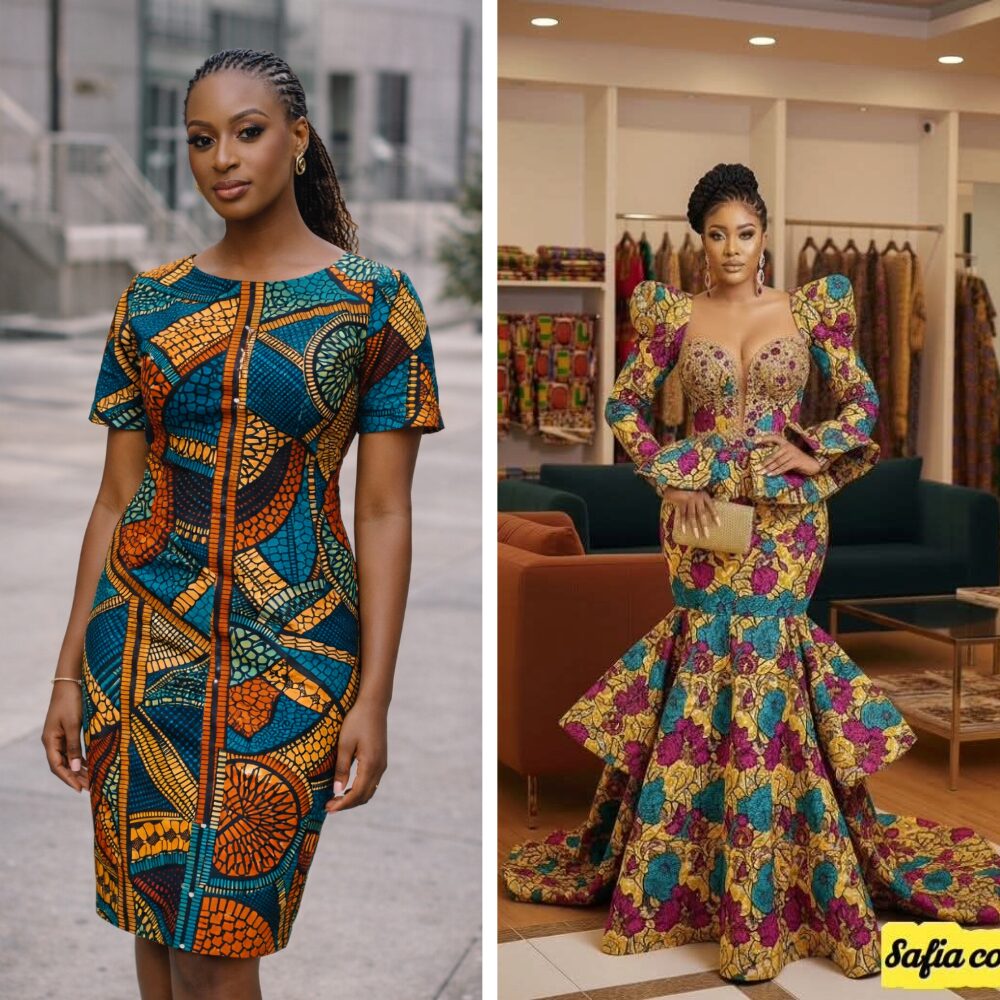
Is Ankara Traditional or Modern
The answer is: both.
Print fabric exists at the intersection of tradition and modernity.
Traditionally, it has been used for:
- Cultural ceremonies
- Identity expression
- Community belonging
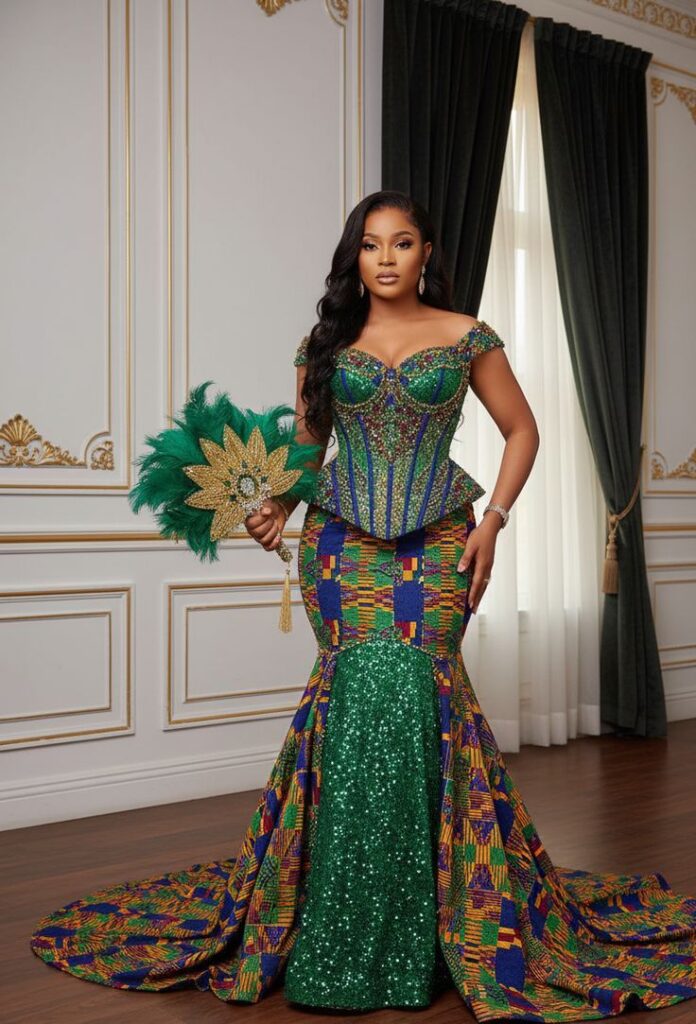
Modern designers now reinterpret it into:
- Tailored Dresses
- Contemporary silhouettes
- Global-ready fashion pieces
This dual nature is why African print continues to evolve rather than disappear.
How African Print Is Used in Modern Fashion Today
Today, African print fabric appears in:
- Ready-to-wear collections
- High-fashion runways
- Streetwear
- Accessories and accents
Modern styling often focuses on:
- Clean silhouettes
- Minimalist cuts
- Balanced use of bold patterns
This shift allows the fabric to feel wearable without losing its cultural essence.
Is Ankara Appropriate for Non-Africans to Wear?
This question comes up often — and it’s valid.
African print fabric is not restricted, but it does deserve respect.
Wearing it appropriately means:
- Understanding its cultural context
- Avoiding stereotypes or costumes
- Choosing thoughtful, well-made designs
When worn with appreciation rather than novelty, African print fabric becomes a bridge — not a boundary.
How to Start Exploring African Print as a Beginner
If you’re new and curious, start simple.
Begin with:
- One print, not many
- Neutral color combinations
- Modern silhouettes
As confidence grows, so does expression.
African print is not about perfection — it’s about connection and storytelling.
Conclusion
African print fabric is more than colorful cotton.
It is history layered with adaptation.
Tradition shaped by everyday life.
And creativity that continues to move forward.
Once you understand what print fabric is — where it comes from and how it’s worn — it stops feeling unfamiliar and starts feeling accessible.
Also Read
Read More