What Clothes Do They Wear in Africa? Beyond the Stereotypes

When people ask, “What clothes do they wear in Africa?” they often expect a simple answer.
One outfit. One look. One tradition.
But Africa doesn’t work that way.
Africa is a continent of over 50 countries, thousands of cultures, and countless clothing traditions—and today, people wear everything from deeply traditional garments to modern, everyday fashion inspired by heritage.
If you’re a beginner with no background knowledge, this guide will help you understand what people actually wear in Africa, why they wear it, and how African clothing fits into modern life—not just ceremonies or special occasions.
What Clothes Do They Wear in Africa?
People in Africa wear a mix of traditional, modern, and globally influenced clothing, depending on:
- Region
- Culture
- Religion
- Climate
- Occasion
- Personal style
Just like anywhere else in the world, clothing in Africa adapts to daily life, not just tradition.
There Is No Single “African Outfit”
One of the most common stereotypes is the idea that Africans all wear the same type of clothing.
In reality:
- Clothing in West Africa differs greatly from East Africa
- North African clothing has strong Arab and Mediterranean influences
- Southern African styles follow different traditions and tailoring
So instead of asking “What clothes do Africans wear?”, a better question is:
What clothes do people wear across different parts of Africa?
Let’s break it down.
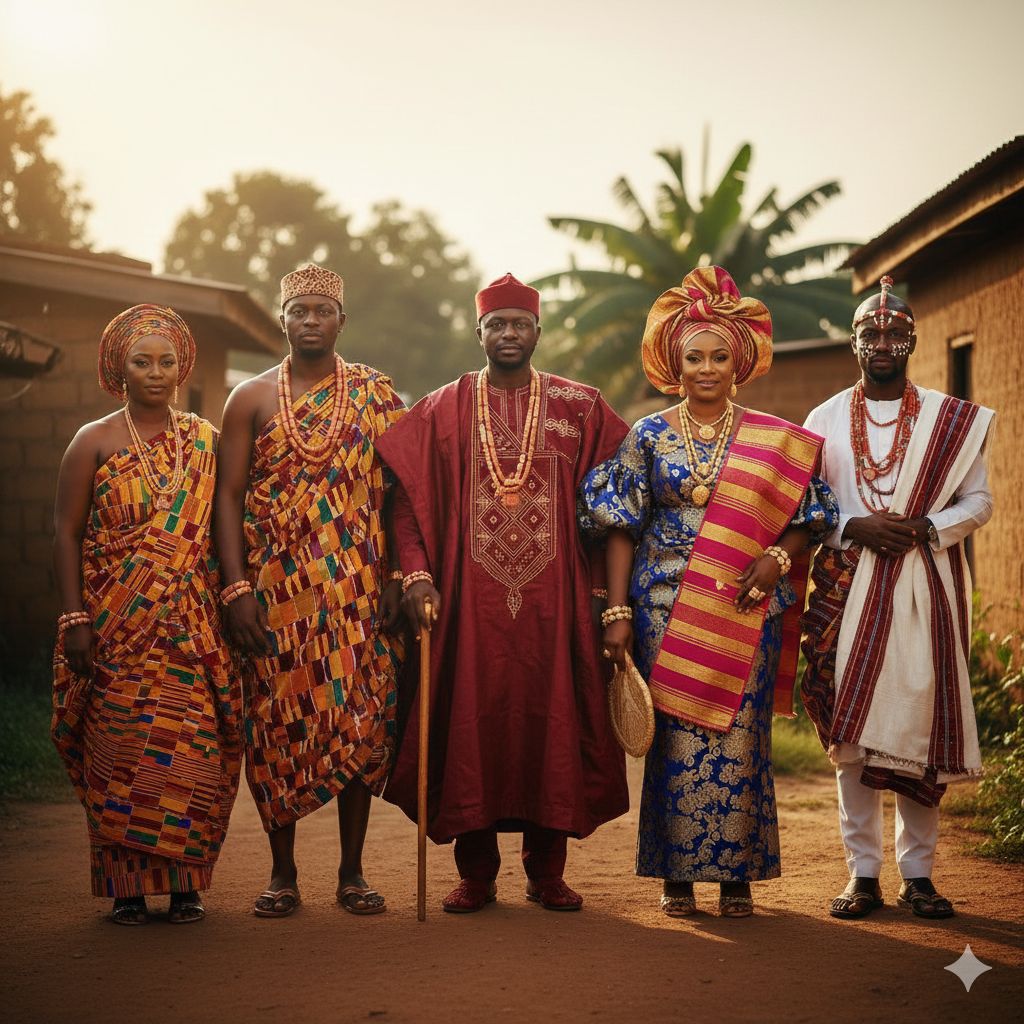
Traditional African Attire(Still Worn Today)
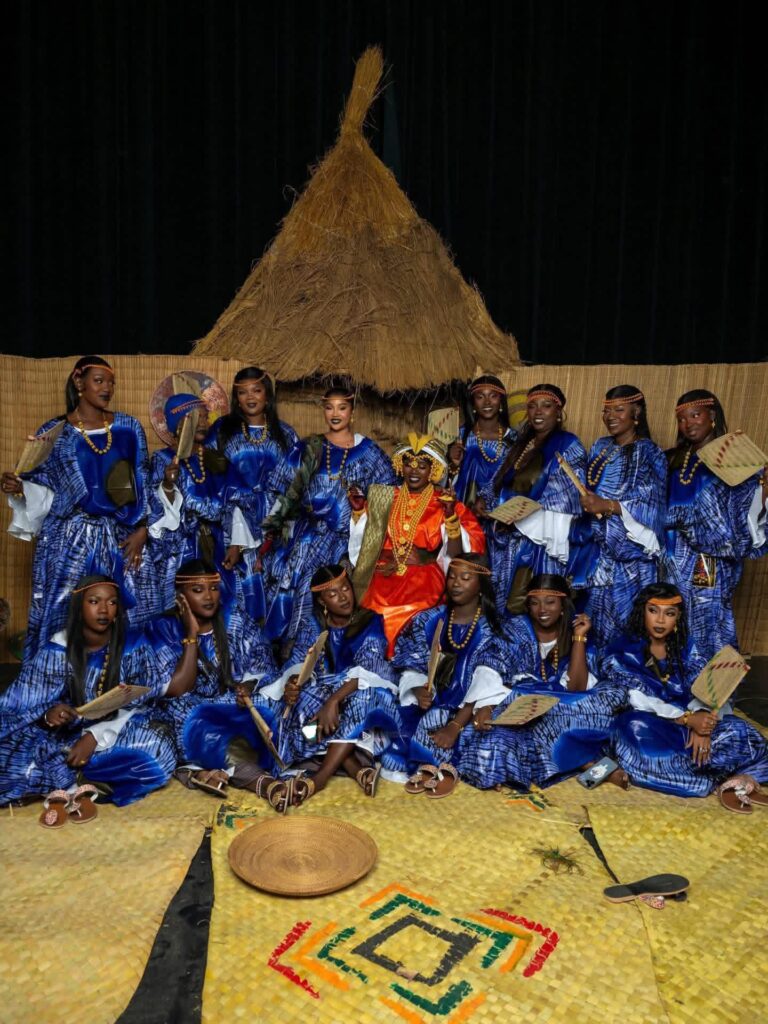
Traditional clothing in Africa didn’t disappear—it evolved. Many traditional garments are still worn regularly, especially for:
- Cultural events
- Religious gatherings
- Weddings and celebrations
- Formal occasions
Common Traditional African Garments
Boubou / Agbada
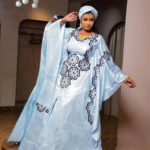
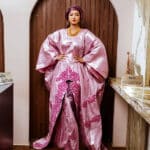
A flowing robe worn across West Africa by both men and women, often made from richly dyed fabrics like cotton or damask.
Kaftan
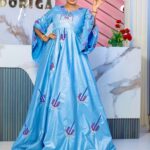
A flowing robe worn across West Africa by both men and women can be made from richly dyed fabrics like cotton or damask or light weight fabrics like satin or silk.
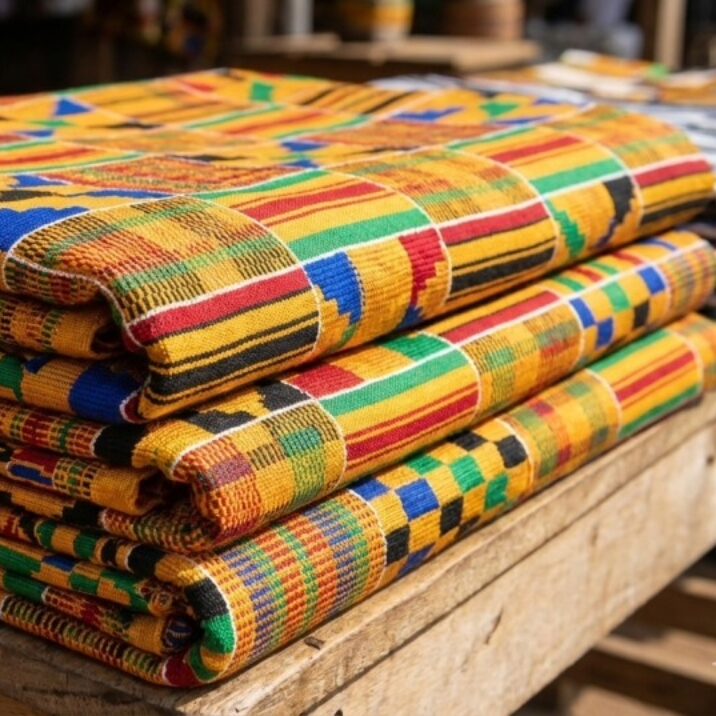
Kente cloth
A handwoven fabric from Ghana, traditionally worn for important ceremonies and symbolic occasions.
Dashiki
A loose-fitting garment popular in West Africa and the African diaspora, often worn casually or formally depending on fabric and cut.
Aso Oke
handwoven Nigerian fabric used for traditional attire, especially during ceremonies.
These garments aren’t costumes—they are living clothing traditions that continue to be adapted for modern life.
African Fabrics That Shape Clothing Styles
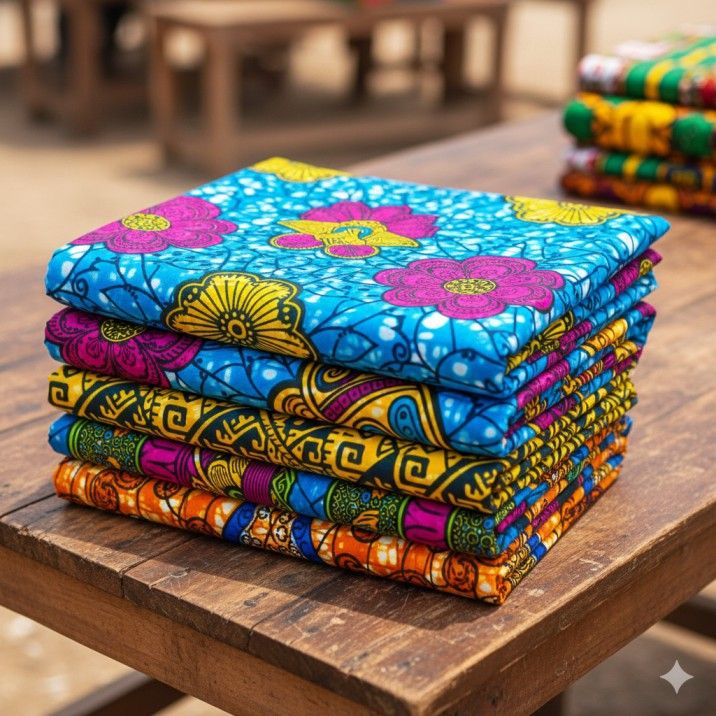
African clothing is deeply connected to its fabrics. These textiles influence how garments look, feel, and move.
Ankara (Wax print)
- Bold patterns
- Widely worn across Africa
- Used for dresses, skirts, shirts, and everyday outfits
Bazin
- High-quality cotton with a subtle shine
- Popular in West Africa
- Often worn for elegant and formal outfits
Kitenge
- Common in East Africa
- Similar to Ankara, but with regional patterns and styling
Mudcloth (Bogolanfini)
- Traditionally dyed using mud
- Known for symbolic patterns
These fabrics allow African clothing to be both expressive and functional.
What Do People Wear in Africa Every Day?
This is where many outsiders are surprised.
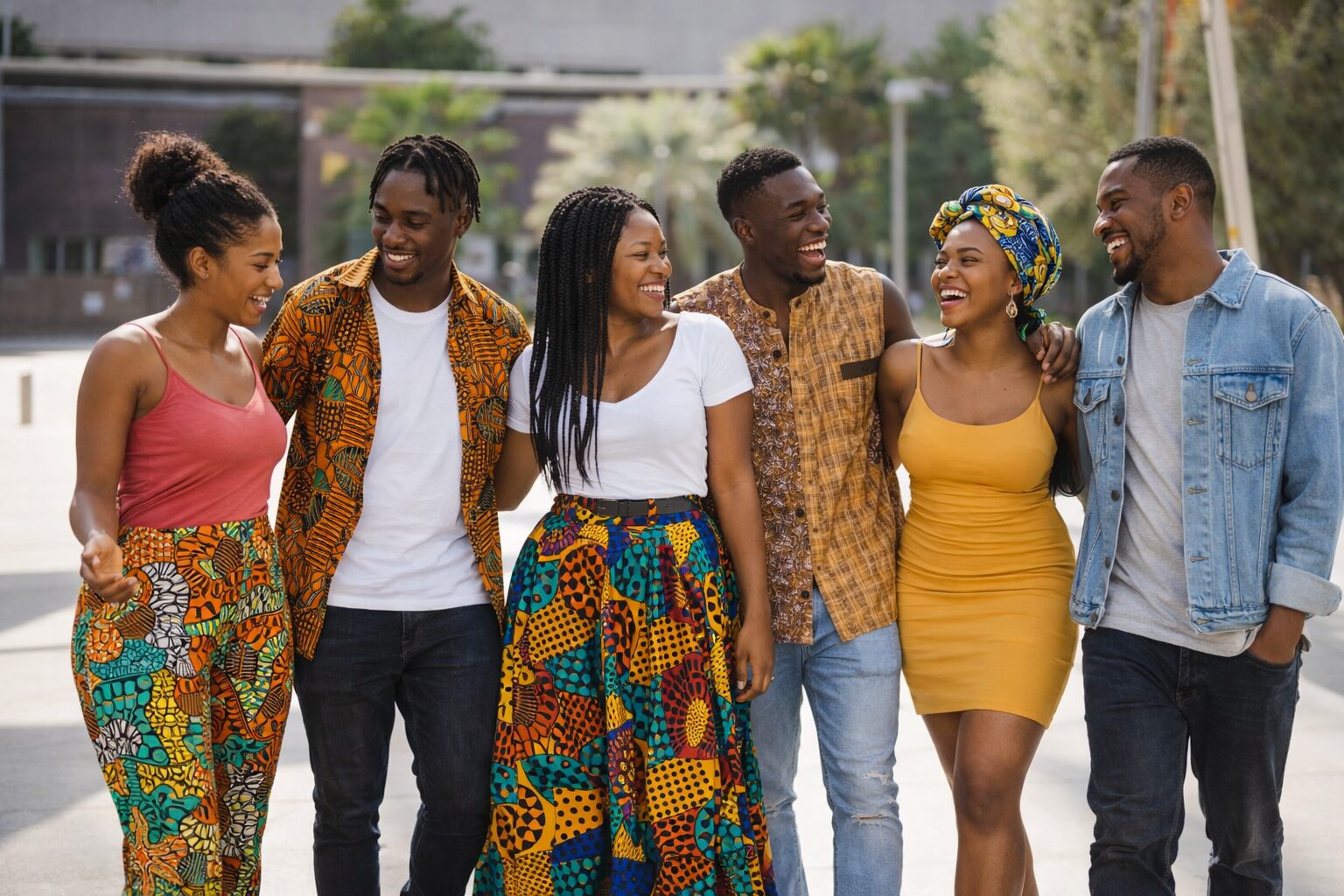
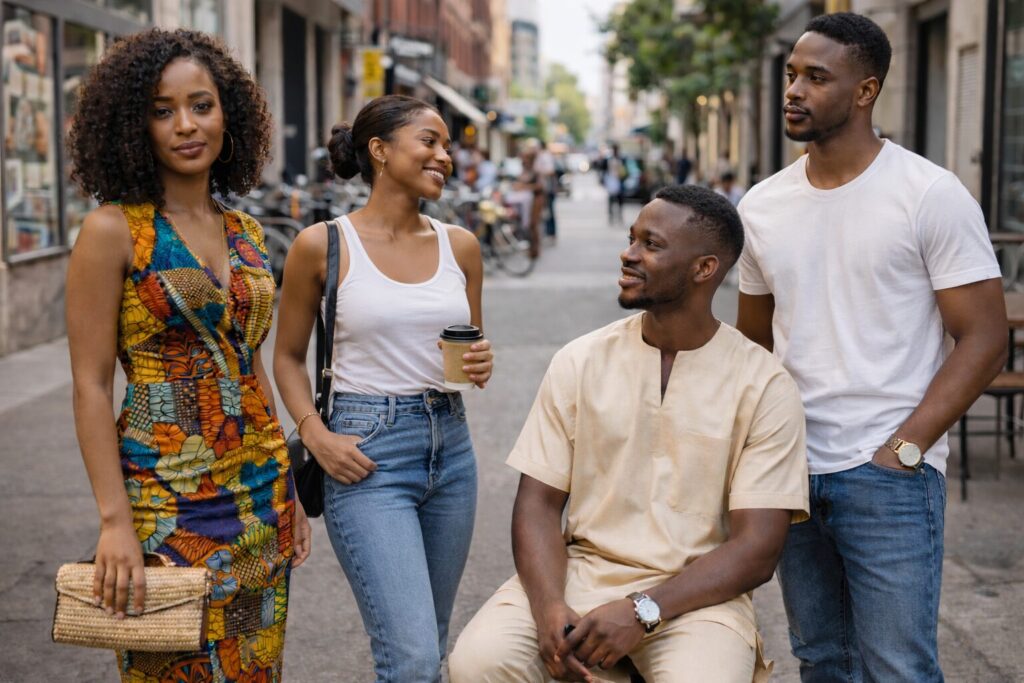
In daily life, people in Africa wear:
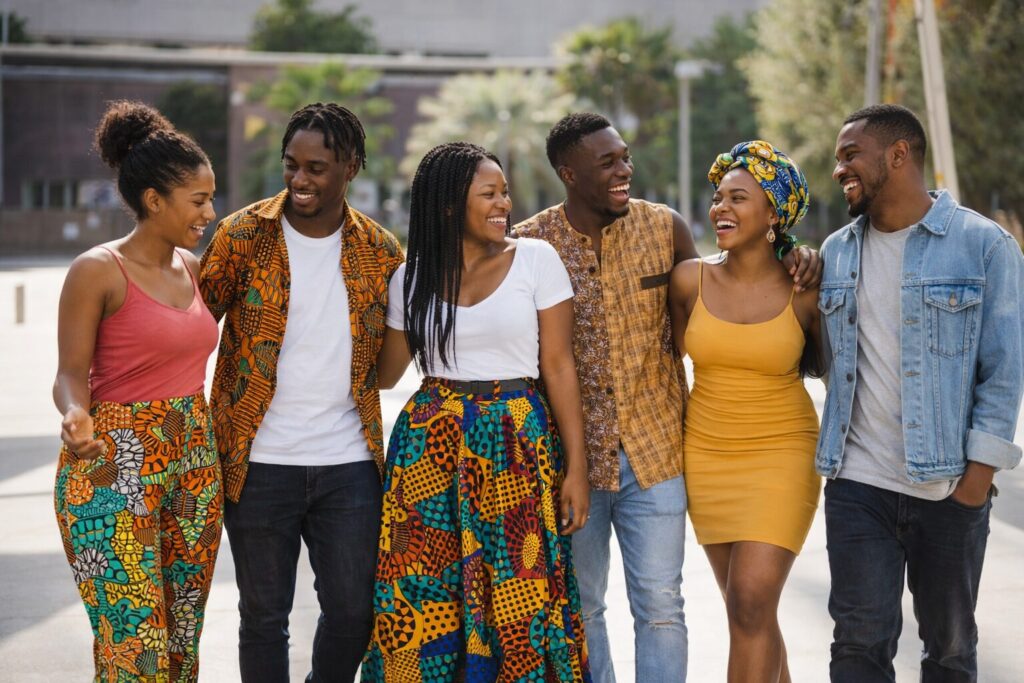
- Tailored African-inspired outfits
- Casual dresses and shirts
- Modest tunics and kaftans
- Modern shirts made with African fabrics
- Jeans and global fashion mixed with local styles
African wear isn’t reserved for festivals. It’s worn:
- To work
- To school
- To social gatherings
- At home
The difference is how culture shows up in the details—fabric choices, tailoring, and styling.
Modern African Attire: Tradition Meets Today
Modern African fashion blends:
- Traditional Fabrics
- Contemporary cuts
- Global fashion influences
This results in clothing that feels:
- Wearable
- Stylish
- Culturally rooted
- Relevant anywhere in the world
For example:
- A tailored dress made with Ankara fabric
- A minimalist kaftan designed for everyday wear
- Matching sets designed for couples or families
- Modest fashion that aligns with cultural and religious values
Modern African clothing proves that tradition doesn’t limit style—it enhances it.
Do Africans Only Wear Traditional Clothes?
No.
Just like people everywhere, Africans wear:
- Western-style clothing
- Sportswear
- Business attire
- Casual wear
But many choose to incorporate African elements because:
- It reflects identity
- It feels authentic
- It connects them to culture
This balance between global and local fashion is what makes African style so dynamic.
African Clothing and Climate
Climate plays a huge role in what people wear.
Across many regions, clothing is designed to:
- Be breathable
- Allow airflow
- Work in warm temperature
That’s why you’ll often see:
- Loose-fitting garments
- Natural fibers like cotton
- Layered but lightweight designs
African clothing is practical—not just decorative.
Why African Clothing Is Often Misunderstood
Much of what non-Africans know comes from:
- Movies
- Costumes
- Fashion stereotypes
These representations often freeze African clothing in the past or exaggerate it for effect.
In reality, African clothing is:
- Contemporary
- Thoughtfully designed
- Worn by real people in real life
Understanding this helps shift perspective from “exotic” to intentional.
Is African Clothing Only for Africans?
African clothing is worn globally today—by Africans and non-Africans alike.
What matters is:
- Appreciation, not imitation
- Respect for cultural meaning
- Understanding that these clothes come from real communities
When worn thoughtfully, African clothing becomes a bridge between cultures, not a barrier.
Why African Clothing Feels Different
People often say African clothing feels “powerful” or “distinct.”
That’s because it’s built on:
- Storytelling
- Identity
- Craftsmanship
- Cultural continuity
Each garment often carries meaning—whether through fabric choice, color, or design.
The Future of African Clothing
African clothing continues to evolve through:
- Young designers
- Ethical production
- Global exposure
- Modern lifestyle needs
It’s no longer about fitting into global fashion—it’s about reshaping it.
Conclusion: African Clothing Is Diverse, Modern, and Alive
So, what clothes do they wear in Africa?
They wear:
- Traditional garments with modern relevance
- Everyday clothing shaped by culture
- Contemporary designs rooted in heritage
African clothing isn’t stuck in the past. It’s worn daily, adapted constantly, and embraced globally.
If you’re exploring African fashion for the first time, start by letting go of stereotypes—and start paying attention to the diversity, creativity, and intention behind what people wear.
Read Also / You May Also Like